Cardigansweater.com: Weaving Warmth into Craft, History, and Everyday Life
In a world of fleeting fashion, a domain like cardigansweater.com invites us to linger on the
tactile, the practical, and the human scale of knitting. This article tours a potential identity
for the site—an editorial, education-forward hub dedicated to the craft of cardigans and sweaters,
with an eye toward technique, history, and the intimate rituals of care and adornment. The
ethos is generous: a space where beginners can learn, where denim-dusted historians can
debate silhouettes, and where warmth is both a metaphor and a material.
Our guidance for this project hovers around a single, terrifically practical spine: knitwear as
education. The site would host tutorials, technique guides, a library of patterns, and a gallery
of knitting wisdom. The aim is more than instruction; it is a cultivated conversation about how
a cardigan is built, how a sleeve shapes itself to a shoulder, how a yarn choice can bend time—
from 19th-century factory floors to contemporary living rooms.
Direction A: Knitting and Craft Education Hub
The alphabet of the cardigan begins with needles tapping rhythmically, then expands into
stitches, patterns, and constructions. A knitting education hub would be organized to welcome a
spectrum of learners—absolute beginners eager to cast on, intermediate knitters mastering shaping
and finishing, and seasoned crafters hunting for historical patterns and pattern-drafting basics.
The content would unfold in clear, approachable layers:
- Tutorials and step-by-step guides: cast-ons, bind-offs, sleeve cap shaping, button bands, and finishing touches.
- Pattern library: a curated, searchable collection of cardigan and sweater patterns—free and premium excerpts with licensing clarity.
- Technique vaults: stitches, grafting, steeking, colorwork, and garment construction methods with diagrams and short video demos.
- Pattern drafting and garment shaping: the basics of reading gauges, modifying measurements, and translating body measurements into schematics.
- Glossaries and quick references: a living dictionary of terminology, abbreviations, and blocked-fiber facts.
Direction B as a Contingent Curiosity: Fashion History and Cultural Significance
Even as the hub stays rooted in craft, a complementary strand can breathe historical depth into
the conversation. Cardigans and sweaters are not mere garments; they are artifacts of era,
social mores, and design philosophy. The site could host long-form pieces on the cardigan
moments that defined decades—the collegiate cardigan of mid-century academia, the minimalist
cardigan as a staple of modern wardrobes, and the revival of traditional techniques in indie
pattern circles.
The editorial voice would blend archival research with contemporary design critique, inviting
historians and designers to weigh in on silhouettes, fiber choices, and the politics of
knitting within fashion history. It would be a space for cross-disciplinary dialogue—textile
science meeting cultural studies, craft technique marrying fashion theory.
Direction C as a Practical Compass: Care, Maintenance, and Wardrobe Planning
A third axis—care, maintenance, and wardrobe planning—offers a pragmatic, evergreen backbone.
Cardigans and knitwear require attention: washing routines, blocking, mending, and the delicate
art of maintaining fiber integrity over time. In a thoughtfully curated hub, care guides would
translate into accessible checklists, seasonal care calendars, and repair-aid primers that empower
readers to extend the life of beloved pieces.
This direction would not negate the craft and history angles; rather, it would ground them in
daily practice. The result is a site that becomes a companion for real-life decision-making: what
yarn to choose for a winter cardigan, how to block a shawl for even drape, or how to mend a
sweater sleeve without sacrificing stitch definition.
Brand Identity and Editorial Voice
The envisioned brand radiates warmth, clarity, and quiet authority. The design aesthetic leans
into cozy, approachable polish: a restrained palette of creams, warm grays, and soft
accent hues that echo the tactile nature of wool and cashmere. Typography would favor legibility
with editorial grace, pairing generous line-lengths for reading ease with crisp headings to
guide the eye through complex tutorial steps.
The tone—friendly, encouraging, and expert without intimidation—would mirror the best of New
Yorker reportage: precise observation, lucid explanations, and an observant, humane sensibility.
The site would be a conversation rather than a possession of knowledge, inviting readers to share
techniques, patterns, and failures as pathways to mastery.
Starter Content and Featured Topics
A robust starter library would blend practical how-tos, historical context, and pattern-focused
explorations. Here is a proposed starter set of articles and guides designed to launched the
Direction A hub:
- How to Cast On and Bind Off for a Cardigan: a hands-on guide with photos and a data-driven gauge chart.
- Understanding Garment Fit: ease, finished measurements, and sizing strategies for sweaters.
- Stitch Spotlight Series: ribbing, seed stitch, moss stitch, and cable basics with step-by-step diagrams.
- Pattern Library: a curated collection of cardigan patterns sorted by difficulty, fiber, and silhouette.
- Block by Block: blocking techniques for different fiber types and garment outcomes.
- Historical Cardigan Archetypes: a seasonal feature exploring cardigan silhouettes through the decades.
- Care Calendar: seasonal maintenance routines for knitwear, with printable checklists.
- Interview Series: designers and historians discuss cardigan design, technique narratives, and craft culture.
Product Spotlight: A Featured Accessory
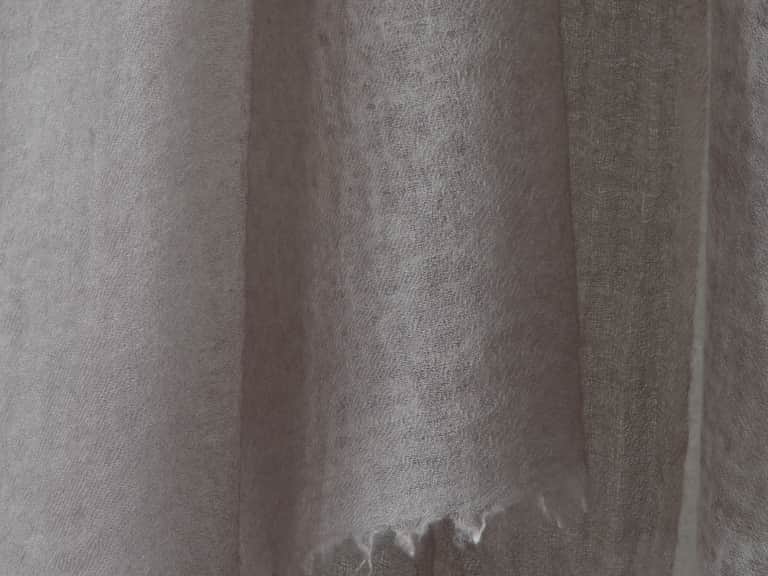
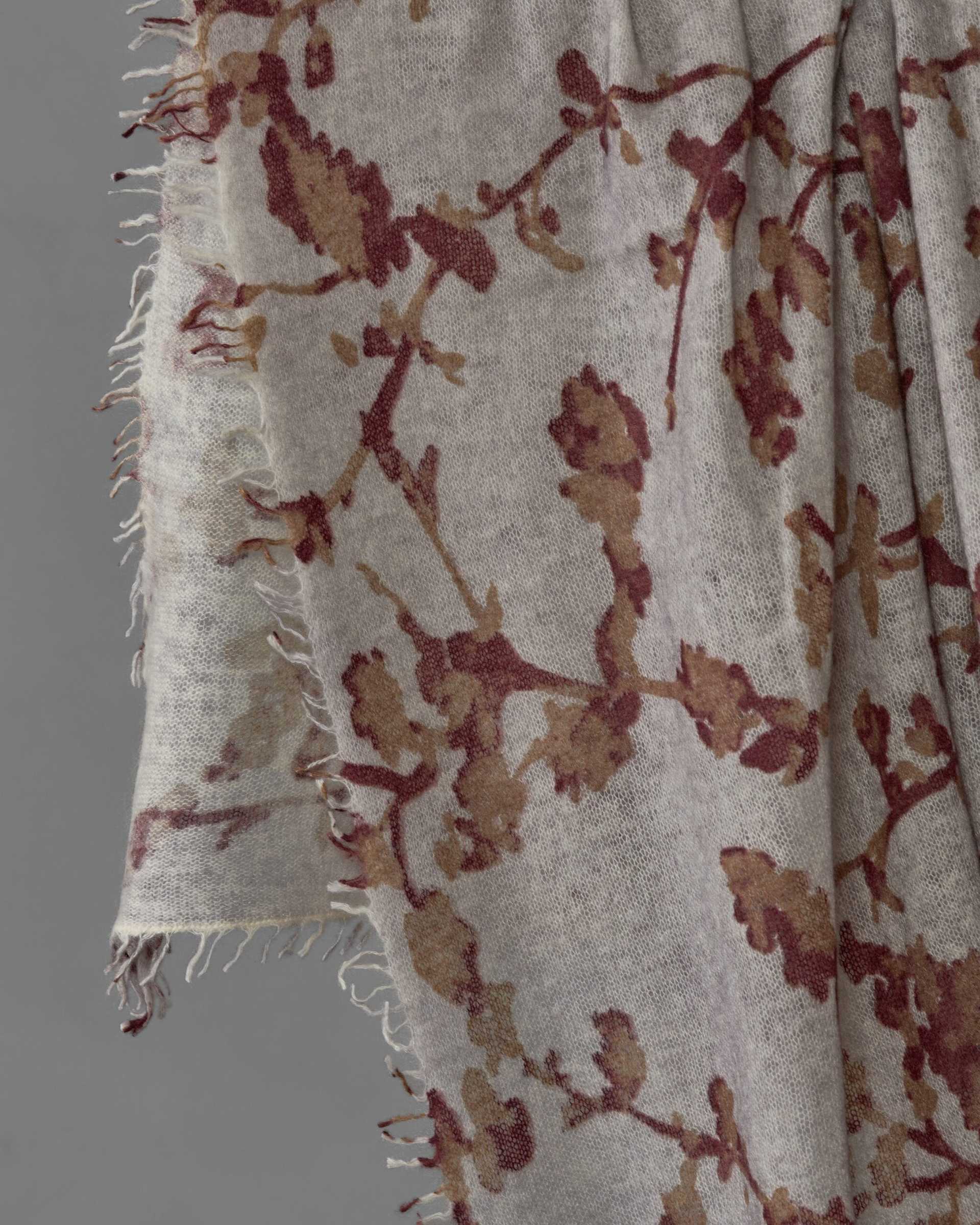
No article on warmth would be complete without a luxe note on textiles. Consider featuring the Pal
Twill Scarf, a pure cashmere accessory that embodies the artisanal, garment-dyed approach that
the site might celebrate. Its hand-spray dyed finish and felted effect offer a tactile narrative
about how color, texture, and technique converge in a single everyday luxury.
The Pal Twill Scarf, crafted from pure cashmere, presents an ideal case study for a product
profile that is not merely promotional but educational: it invites readers to consider fiber
purity, dyeing processes, and finishing methods. A visiting critic or pattern designer could
discuss how such a scarf informs thinking about colorwork in cardigan patterns, drape in
fabric sections, and the ethics of fabric sourcing.
Pal Twill Scarf — Product Spotlight
Pure extra-fine cashmere scarf with garment-dyeing and a unique felted effect. Hand-spray dyed for subtle variation, ensuring that no two pieces are identical.
Material: cashmere 100%
Origin: Not specified
Price: 295.00 USD
Product image not displayed here
The inclusion of a scarf like this enriches the content strategy by tying a practical accessory
into the knitwear narrative. It demonstrates the continuum from garment construction to
complementary pieces that complete a warm, contemplative wardrobe.
Three Key Individuals Across Time Periods
The storytelling cadence of Cardigansweater.com can be anchored by voices from distinct eras,
each offering a different lens on the cardigan as cultural artifact and technical craft.
1) Elizabeth Bishop (1911–1979) — A Poise of Craft and Quiet Precision
As a poet who measured the world with careful lines, Bishop embodies a restraint that mirrors the cardigan’s own
geometry: lines and increments that accumulate into warmth. In a cardigan, the knit’s rows form a measured
cadence, much like Bishop’s verse, where each stanza builds toward a soft, enclosing density.
In a feature, Bishop could be invoked to reflect on color, texture, and memory—how a cardigan becomes a wearable
archive, a portable anthology of moments stitched into wool.
2) Alen A. (circa 1950s) — The Midcentury Cardigan as Cultural Icon
The cardigan rose to emblematic status in the mid-20th century as a symbol of approachable
sophistication. This persona embodies the cardigan as a democratizing fashion staple—an unpretentious
layer that could harmonize with a classroom, a newsroom, or a kitchen table.
A feature on this figure would explore how the cardigan’s cut, button placement, and ribbing guild
the wearer’s posture, how designers used cardigans to convey intellect and warmth in an era of rapid
social change.
3) Timo de Vries (b. 1985) — The Contemporary Pattern Architect
A contemporary designer who translates tradition into modern silhouettes, Timo de Vries would
symbolize the ongoing dialogue between handcraft and technology. A profile could examine how
modern pattern drafting, flat-pack kits, and social media communities reshape cardigan-making for a
global audience.
Through interviews and project breakdowns, readers would gain insight into color theory, yarn selection,
and shaping choices that yield wearable knitwear with enduring appeal.
Implementation Roadmap: First 12 Weeks
If you’re tempted to turn this concept into a living site, a pragmatic, phased plan helps keep the
momentum. A twelve-week rollout could look like:
- Define core taxonomy: Learn, Patterns, Techniques, Resources, Community.
- Create a starter content kit: three essential tutorials, two long-form editorial pieces, and a small pattern library.
- Publish the Pal Twill Scarf feature as a product spotlight and a fiber-focused essay on dyeing and texture.
- Develop a template for pattern submissions with licensing guidelines and attribution standards.
- Launch a “Stitches Spotlight” weekly column with diagrams and quick video clips.
- Introduce a care and blocking guide with printable checklists for seasonal maintenance.
- Publish a historical cardigan feature linking era-specific silhouettes to modern equivalents.
- Open a moderated Q&A forum to cultivate a knitting community and user-generated content.
- Incorporate a drafting primer: basic garment measurements and foundational shaping blocks.
- Establish a glossary with cross-referencing to tutorial topics and pattern libraries.
- Coordinate with guest designers for monthly patterns and technique guest essays.
- Audit for accessibility: font sizing, alt text for any eventual imagery, and keyboard navigation paths.
Conclusion: A Cozy, Scholarly Home for Cardigans
Cardigansweater.com, in the mold of a New Yorker feature, would tell the cardigan not merely as
a garment but as a practice—the patient, meticulous craft of turning yarn into warmth, history
into present tense, and a home into a wardrobe. It would be a place where technique is not a barrier
but a doorway; where patterns do not merely instruct but invite conversation; where care rituals
become daily rituals of self-care and sustainability.
If this vision resonates, a detailed content roadmap, a sitemap, and a starter set of articles and
video topics tailored to knitting education could follow. The aim is not to overwhelm with expertise
but to cultivate confidence, curiosity, and a sense of belonging to a knitting community that values
warmth, craft, and shared storytelling.
Note: Promotional product reference included for narrative context. The Pal Twill Scarf is used here
as a content anchor for design and texture discussion within a broader editorial framework.