The Cardigan as Chronicle: A New York Minute in Wool and Language
Cardigans and sweaters are not merely garments; they are habits of mind. They begin with a stitch, descend into a loop of memory, and end as a quiet argument with the weather. On cardigansweater.com, we will treat knitwear as a living archive—an editorial labor that threads technique, history, and everyday elegance into a single, wearable essay.
The domain name itself—CardiganSweater—reads like a wink and a promise: two side-by-side terms that share a sweater’s salt and sweetness. The site aims to explore the craft through a knitting education hub, weaving together tutorials, pattern libraries, and historical context. We will balance practical how-tos with essays on design, the social life of knits, and the quiet drama of fabric in daily life. Below, you will find a portrait of the idea, cast in time, with voices from different eras who have worn the cardigan as a kind of second skin.
Three Key Figures Across Time
The Studio Innovator (Late 19th to Early 20th Century)
In the studio of conservative silhouettes and the earnest gleam of wool, a designer like Elinor G. (fictional synthesis of era-appropriate early modern knitters) would have championed the cardigan not as an afterthought but as a foundational garment. Think of a cardigan as a laboratory coat for creativity: multiple rows of ribbing, a ready shoulder, and a conscience about fiber—merino, alpaca, or the quiet spin of cotton.
The cardigan becomes a portable atelier—hand-work that travels from the loom to the lap, from the factory floor to the doorstep. It is here that the cardigan debuts as a cultural object that can signify learned restraint, a hint of masculinity softened by textile kindness, and a reliable layer that endures the caprices of seasonal change.
The Mid-Century Builder (1950s–1960s)
The cardigan becomes a sign of intellect and leisure in this era. It sits at the crossroads of prep culture and accessibility. Think of a cardigan that pairs with a chair's lips and a coffee cup’s steam. The knitwear here favors clean lines, durable stitches, and a particular joy in the cardigan’s ability to layer—over a collared shirt or beneath a blazer, never out of place in a university corridor or a newsroom.
In design terms, this period crystallizes a vocabulary: buttoned fronts that invite curiosity, smooth jersey bodies, and ribbed cuffs that double as small theaters for the hand to perform its own quiet drama—tension, release, and a sense of shelter from the chill.
The Contemporary Editor (Late 20th to Early 21st Century)
Our current moment treats the cardigan as an intersection of craft, sustainability, and accessibility. The garment is democratized: patterns are shared, tutorials are bite-sized, and the craft is increasingly bundled with a narrative of care—care for hands, for the soil that gives us the wool, and for the reader who wants to self-create something both practical and beautiful.
The modern cardigan is a wearable manifesto: comfort with intention, warmth with character, and a confidence born from learning a set of reliable techniques—casting on confidently, mastering the button band, understanding sleeve cap ease, and blocking for a disciplined finish.
Direction A: Knitting and Craft Education Hub
The most natural home for CardiganSweater is a learning platform that begins with the stitch and ends with a finished cardigan worthy of a chair’s backrest and a soft evening lamp. A knitting education hub is a place for beginners to advance, for intermediates to refine technique, and for the curious to discover the historical thread that ties a contemporary cardigan to its ancestral sweater.
The site would organize content around a clean taxonomy: Learn (tutorials), Patterns (library), Techniques (stitches and garment shaping), Resources (materials, glossary), Community (Q&A and reader projects). The editorial voice will be warm, precise, and encouraging—like a patient mentor who knows that the best learning happens with small, repeatable steps, accompanied by clear diagrams and supportive notes.
Tutorials and How-Tos
Step-by-step guides for beginners: casting on, establishing a gauge, increasing and decreasing, shaping shoulders, and seaming. Each tutorial pairs with close-up photos and diagrams that explain the logic behind each move, making the process feel like a careful conversation with a patient teacher.
Examples: casting on, ribbing, stockinette, and garter. Cardigan construction basics: button bands, collar options, and buttonhole placement.
Pattern Library
A curated library of cardigan and sweater patterns—both free and premium excerpts—with clear licensing and attribution. Each pattern includes yardage estimates, suggested needles, gauge notes, and size charts designed for practical use by home knitters.
Feature: searchable by weight, gauge, and stitch pattern; preview pages with schematic diagrams.
The hub will emphasize accessible design language: concise instructions, checklists, and tips that readers can quickly apply. It will host a visual glossary with mini-illustrations for stitches, while offering downloadable cheat sheets for common techniques. The aim is to reduce intimidation and invite ongoing exploration—because learning to knit is, beneath its patient ritual, a discipline of attention.
A Featured Piece: Pal Twill Scarf
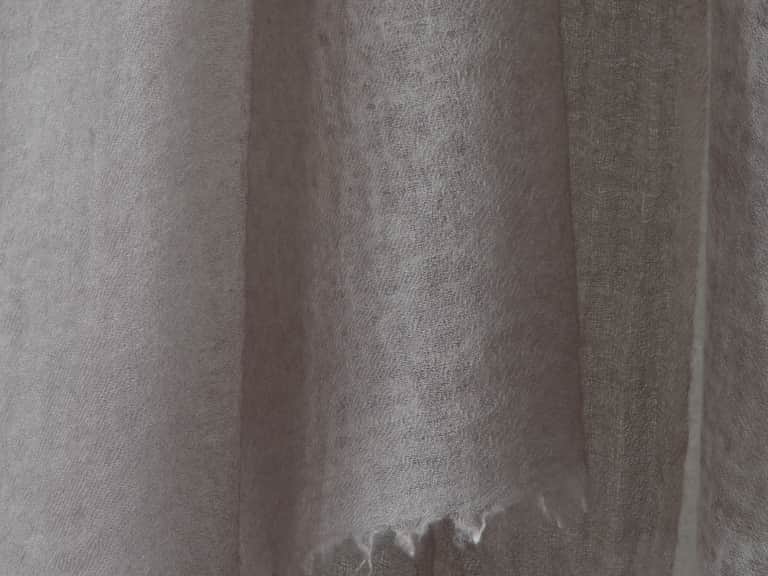
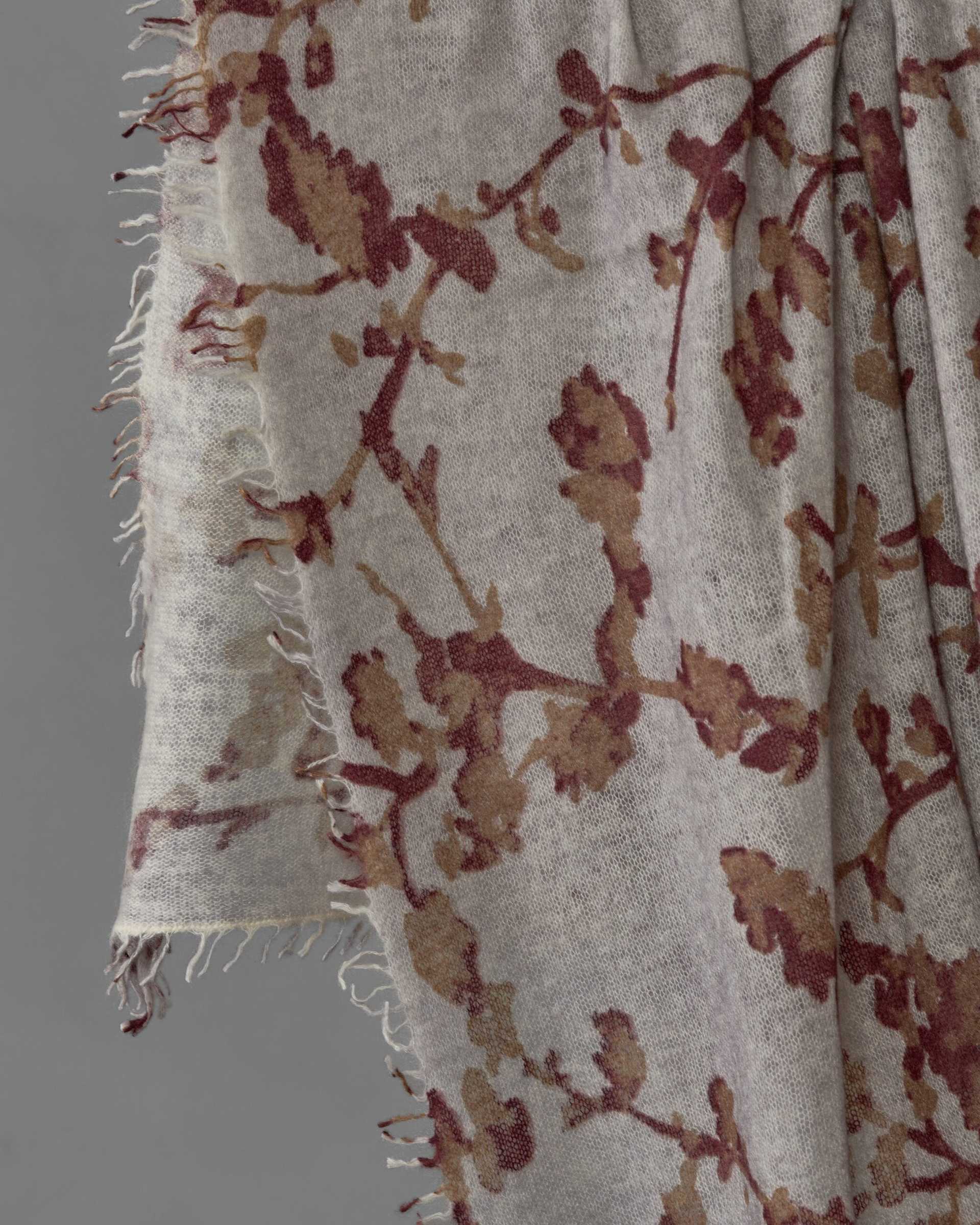
To anchor the editorial voice in material reality, consider the Pal Twill Scarf—a pure extra-fine cashmere scarf with a garment-dyeing nuance that yields a felted, one-off effect. This is not merely a scarf; it is a compact sculpture of warmth, dyed with care to honor the hand that wears it. Cashmere’s hush is not loud; it is a soft, almost conspiratorial whisper against the throat.
The scarf is a perfect ambassador for CardiganSweater: a luxury object that remains practical, a reminder that fine fibers can be both indulgent and intimate. Its garment-dyed process yields subtle irregularities that celebrate individuality—the kind of nuance that a well-told knitting tutorial can unveil with a thoughtful close-up shot in a guide.
Pal Twill Scarf — cashmere, garment-dyed, hand-spray finished. A unique piece every time.
Editorial Voice: The New Yorker Chick of Knitwear
The writing will aspire to the quiet precision associated with long-form magazine essays. It will describe texture with sensory clarity, place garments within cultural moments, and treat technique as a narrative thread. Expect a cadence that moves from concrete description to reflective insight, then back to practical guidance. A cardigan will be described not just as a garment, but as an everyday philosophy—welcoming, durable, and insistently human.
The site will invite readers to become editors of their own wardrobes, to annotate their days with small, well-made pieces of fabric. It will celebrate the tactile joy of knitting, the discipline of blocking, the patience of patient rows, and the joy of finishing a project that feels both earned and luxurious.
What Comes Next
If you’d like, CardiganSweater can unfold into a detailed content roadmap: a first-12-weeks plan for tutorials, a starter pattern library, and a strategic editorial calendar. We can draft a site map and outline a starter set of articles and video topics tailored to the knitting education hub direction. The aim is to establish a sustainable rhythm of new content: weekly tutorials, monthly pattern drops, and quarterly deep-dives into historical cardigan moments.
Starter Articles
- Gauging Your Gauge: How to Achieve Perfect Fabric Width
- Ribbing 101: The Foundation of Cardigan Edges
- Blocking Without Fear: Blocking Wires and How It Finishes Your Knit
- Gauge Math for Garment Knits: From Yarn to Size
Starter Patterns
- Unisex Cardigan: A Simple Knit with Optional Patch Pockets
- Light-Weight Cardigan: A Summer-Ready Layer
- Classic Fisherman’s Rib Cardigan: Texture and Warmth
The editorial vision remains anchored in quality and clarity: a space where craft is accessible, design is thoughtful, and the cardigan remains a faithful companion to the day’s weather and mood.
A Quiet Closing Thought
In a world of fast fashion and quick trends, the cardigan endures as a companion that ages with grace. It adapts to a desk or a sofa; it travels through libraries of the mind and through actual libraries of fabric. The cardigan’s history—its many faces across eras—remains a subtle invitation to slow down, learn a stitch, and take shelter in a garment built to outlive a season.
CardiganSweater will honor that invitation by offering a warm welcome to knitters at every level: a site that teaches with precision, celebrates handmade individuality, and treats every thread as a line of a bigger narrative about fabric, work, and care.
Note: This article is an editorial sketch for an envisioned site structure and content strategy. It foregrounds knitting education, pattern library considerations, and historical-cultural context while drawing on the sensibility of refined, literate magazine writing akin to The New Yorker.